Is Polyisocyanurate Safe with Vinyl Floor Plank? A Complete Guide
The compatibility of materials is crucial when undertaking a new construction or home improvement project. Polyisocyanurate insulation, a popular choice for energy efficiency, can be safely installed under or near vinyl floor planks, a question that frequently arises.
We will examine the characteristics of these two materials, their potential interactions, and whether they can coexist safely.
Polyisocyanurate: what is it?
Known for its superior thermal performance, polyisocyanurate insulation, or PIR, is widely used in residential and commercial construction. It is known for its high R-value, making it an excellent choice for insulation in walls, roofs, and foundations.
Insulating homes against heat and cold is easier with this material, which is favored because of its energy efficiency and moisture resistance.
Is Polyisocyanurate Safe with Vinyl Floor Plank
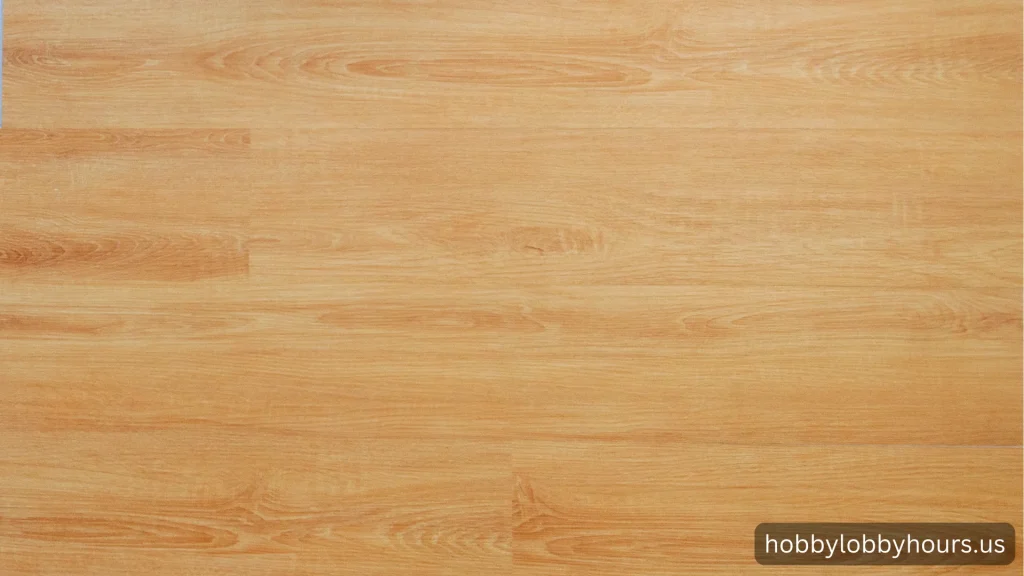
Polyisocyanurate (PIR) insulation is generally safe to use under vinyl floor planks, but there are a few important considerations to keep in mind. PIR is known for its excellent thermal insulation properties, which can help maintain energy efficiency.
However, it is crucial to ensure proper installation and compatibility with the vinyl planks. Direct contact between PIR boards and vinyl may not be ideal, as the rigid nature of the insulation could create pressure points or uneven surfaces, potentially leading to damage over time.
To avoid issues, it’s advisable to place an underlayment or vapor barrier between the PIR insulation and the vinyl flooring. This not only helps to protect the floor from possible moisture accumulation but also improves the overall comfort and longevity of the installation. Always check the manufacturer’s guidelines to ensure that both the insulation and flooring materials are used appropriately together.
Also check: Can I Glue Vinyl To Porcelain Hex Tiles In Bathroom?
How do Vinyl Floor Planks work?
In recent years, vinyl flooring has gained a lot of popularity, and there’s good reason for that. Vinyl floor planks mimic hardwood, but they’re also extremely durable, waterproof, and affordable.
A polyvinyl chloride (PVC) compound is the main component of vinyl, which makes it a flexible and easy-to-install material. It is also an excellent choice for areas with high moisture levels, such as bathrooms and kitchens.
Polyisocyanurate Chemical Composition
A closed-cell foam structure is formed by combining isocyanates with polyols to form polyisocyanurate, which has excellent insulating properties. It also contains a variety of blowing agents and flame retardants. Polyisocyanurate is more fire resistant and has better insulation per inch than expanded polystyrene or extruded polystyrene.
Vinyl Planks and Chemical Sensitivity
The PVC used to manufacture vinyl flooring can be sensitive to certain chemicals, such as those that cause it to soften, warp, or discolor. High temperatures or strong solvents can damage the vinyl over time. Despite its durability and resistance to moisture, vinyl needs to be considered compatible with any material used beneath or around it in order to prevent problems.
Vinyl Plank Flooring and Polyisocyanurate Interactions
There is a concern about chemical emissions, also known as off-gassing, that may occur when polyisocyanurate and vinyl are engineered materials. When vinyl and polyisocyanurate are new, both products can release volatile organic compounds (VOCs). These emissions could interact and affect the vinyl planks’ properties.
In spite of this, there is no well-documented evidence that polyisocyanurate and vinyl flooring directly react chemically in a way that would cause immediate harm or damage. However, it is imperative that we understand how the environment plays into this equation.
How harmful are the chemicals emitted by polyisocyanurate?
It is important to ensure adequate ventilation when using polyisocyanurate in enclosed spaces because it can emit isocyanates, which can irritate the respiratory system.
As with many building materials, polyisocyanurate can release isocyanates, which can irritate the respiratory system. Since vinyl planks contain plasticizers and adhesives, small amounts of VOCs can be emitted. If not managed properly, these emissions could negatively affect indoor air quality.
Expansion and contraction of materials
The reaction of materials to temperature changes is one that is often overlooked. Polyisocyanurate and vinyl flooring both expand and contract with changes in temperature, but at different rates. When these materials are layered improperly or without enough space for expansion, they could buckle, warp, or form gaps over time. By ensuring adequate spacing and using an appropriate underlayment, these risks can be mitigated.
Also check: Why is Vinyl Flooring a Great Choice for Your Home?
Is vinyl flooring affected by moisture?
Even though vinyl is highly water-resistant, moisture trapped beneath the flooring can cause mold and mildew. Water cannot pass through polyisocyanurate easily, as it has a low permeability to moisture. While this is great for insulation, any moisture trapped between the insulation and vinyl flooring could lead to long-term issues. To prevent this, you may need to install a vapor barrier between the floor and the insulation.
Preparation of the subfloor and insulation
To prevent uneven floors or damage to the vinyl planks over time, it is critical to prepare the subfloor properly when installing vinyl flooring over polyisocyanurate. Using a proper underlayment is also essential in order to provide stability and a moisture barrier, which protects the vinyl from possible moisture damage.
Vinyl flooring alternatives to polyisocyanurate
In addition to polyisocyanurate, other insulation materials may be a better choice for those concerned with chemical emissions or compatibility with vinyl floors. A better balance between insulation performance and safety for vinyl flooring installations might be found in alternatives such as mineral wool, fiberglass, or extruded polystyrene (XPS).
Is it safe to use polyisocyanurate with vinyl flooring?
Under the right conditions, polyisocyanurate can be used safely with vinyl floor planks. However, the following factors should be taken into account:
- To manage off-gassing, ensure proper ventilation during and after installation.
- Prevent the flooring from being damaged by trapped moisture by using a moisture barrier.
- To avoid warping or gaps, allow for thermal expansion and contraction.
- Ensure compatibility with your project by consulting a contractor or flooring specialist.
Real-Life Experiences and Expert Opinions
As long as the installation is done correctly, contractors and homeowners who have used polyisocyanurate and vinyl flooring generally report positive results. A moisture barrier and suitable underlayment are recommended to maximize the safety and durability of polyisocyanurate. With careful planning, these materials can coexist without issues.
Here are some tips for ensuring a safe installation
- To reduce exposure to any off-gassing, make sure the area is well-ventilated during installation.
- It is important to use high-quality underlayment that protects against moisture as well as providing thermal insulation.
- To prevent moisture buildup between the insulation and flooring, use a moisture barrier.
- Maintain a consistent indoor temperature during and after installation to prevent expansion and contraction problems.
Conclusion
The installation, moisture management, and ventilation of polyisocyanurate insulation with vinyl floor planks must be done properly to ensure their safety. It is possible to create a durable and energy-efficient floor by using the right materials and following best practices.
FAQs
- How does polyisocyanurate insulation affect indoor air quality?
- Initially, it can off-gas, so proper ventilation is essential.
- How should vinyl floor planks be underlayed?
- Underlayments made of foam or cork provide both cushioning and moisture protection.
- Can polyisocyanurate insulation be replaced with a safer alternative?
- Vinyl may be more chemically compatible with alternatives like mineral wool or fiberglass.
- What can I do to prevent warping on my vinyl floor?
- Use a moisture barrier and ensure proper installation with room for expansion.
- Is it possible to install polyisocyanurate directly under vinyl flooring?
- If you want to prevent direct contact between the vinyl and the insulation, it’s best to use an underlayment.